
Introduction
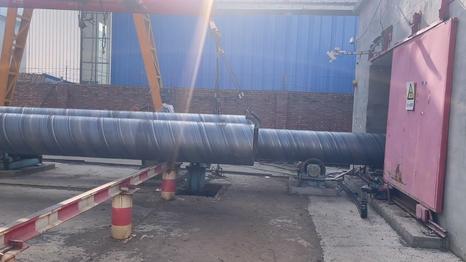
In the vast and intricate landscape of industrial materials, welded black pipes stand out as a ubiquitous and versatile component. Their characteristic dark surface, often perceived as rugged and industrial, is a hallmark of their unique manufacturing process. These pipes are not just simple conduits; they are the backbone of numerous infrastructure projects, industrial applications, and fluid transportation systems. This article aims to provide a comprehensive exploration of welded black pipes, delving into their manufacturing process, diverse applications, and the myriad advantages they offer over other types of pipes. By the end of this journey, readers will have a nuanced understanding of why welded black pipes are a preferred choice in many industries.
1.Manufacturing Process: The Art of Transformation
The creation of welded black pipes is a fascinating blend of precision engineering and industrial artistry. The process begins with the selection of high-quality steel sheets or strips, which serve as the raw material. These steel sheets are then subjected to a series of operations that transform them into the familiar cylindrical shape of a pipe.
1.1 Forming the Pipe
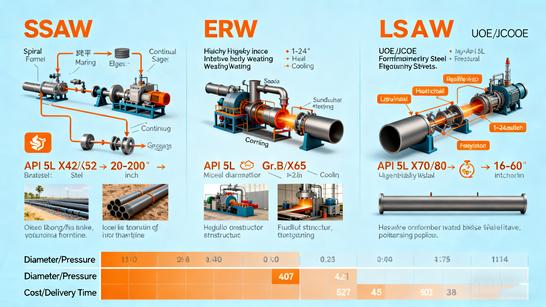
The first step in the manufacturing process is forming the steel sheet into a cylindrical shape. This is typically achieved through a process known as roll forming, where the sheet is passed through a series of rollers that gradually shape it into a tube. Alternatively, some manufacturers use a process called electric resistance welding (ERW), where the edges of the steel sheet are heated and pressed together to form a seamless joint. Another method, submerged arc welding (SAW), involves feeding a wire electrode into the joint area while an arc is struck beneath a layer of granular flux, which protects the weld from atmospheric contamination.
1.2 Welding the Seam
Once the steel sheet has been formed into a cylindrical shape, the next step is to weld the seam. In the case of ERW pipes, the welding process is almost instantaneous, as the edges of the steel sheet are heated to a molten state and then pressed together under high pressure. This results in a strong, continuous weld that runs the length of the pipe. SAW pipes, on the other hand, require a more complex welding process that involves multiple passes to ensure a complete and uniform weld.
1.3 Cutting to Size
After the welding process is complete, the continuous length of pipe is cut to the desired size. This is typically done using a sawing or shearing machine, which can accurately cut the pipe to the specified length with minimal waste. The cut ends of the pipe are then often beveled or chamfered to facilitate easy connection to other pipes or fittings.
1.4 Surface Treatment
One of the most distinctive features of welded black pipes is their dark surface. This is a result of the manufacturing process itself and does not require additional coating for many applications. The dark surface is actually a layer of iron oxide that forms on the surface of the steel during the welding process. This layer provides a degree of corrosion resistance, although it is not as effective as more advanced coatings like galvanization. However, for many indoor or low-corrosion environments, the natural black finish is sufficient.
2.Applications: A Multifaceted Solution
Welded black pipes find applications in a wide range of industries and settings, thanks to their versatility, cost-effectiveness, and ease of installation. Here are some of the most common applications of welded black pipes:
2.1 Fluid Transportation
One of the primary uses of welded black pipes is in fluid transportation systems. They are widely used in water supply systems, both for potable water and wastewater, due to their cost-effectiveness and ease of installation. Similarly, they are also used in gas supply systems, including natural gas and propane, as well as in air supply systems for compressed air or ventilation. The smooth inner surface of welded black pipes ensures minimal friction loss, making them ideal for fluid transportation.
2.2 Structural Applications
Welded black pipes are also commonly used in structural applications, where strength and durability are paramount. They are a popular choice for scaffolding, thanks to their lightweight nature and high load-bearing capacity. Similarly, they are also used in fencing, where their rugged appearance and resistance to corrosion make them an ideal choice for outdoor applications. In general construction projects, welded black pipes are often used as columns, beams, or supports, providing a sturdy and reliable framework for buildings and other structures.
2.3 Industrial Uses
In the industrial sector, welded black pipes are employed in various processes where low-pressure fluid transportation is needed. They are used in chemical plants, refineries, and power plants to transport fluids like steam, water, and chemicals. Their ability to withstand high temperatures and pressures, combined with their cost-effectiveness, makes them an ideal choice for these demanding applications.
3.Advantages: Why Choose Welded Black Pipes?
There are several advantages to choosing welded black pipes over other types of pipes, such as seamless pipes or pipes with advanced coatings. Here are some of the most compelling reasons to consider welded black pipes for your next project:
3.1 Cost-Efficient
One of the most significant advantages of welded black pipes is their cost-effectiveness. They are generally more affordable than their seamless counterparts, thanks to the simpler manufacturing process and lower material costs. This makes them a popular choice for budget-conscious projects where cost is a major consideration.
3.2 Availability
Welded black pipes are available in a wide range of sizes and thicknesses, catering to diverse project requirements. Whether you need a small diameter pipe for a residential plumbing project or a large diameter pipe for an industrial application, you can find a welded black pipe that meets your needs. This wide availability ensures that you can source the pipes you need quickly and easily, without having to wait for custom fabrication.
3.3 Ease of Installation
Another major advantage of welded black pipes is their ease of installation. Their lightweight nature and standard dimensions simplify the installation process, reducing labor costs and installation time. Additionally, the natural black finish of the pipes eliminates the need for additional coating or painting, further streamlining the installation process.
3.4 Durability and Strength
Despite their cost-effectiveness, welded black pipes are surprisingly durable and strong. They can withstand high pressures and temperatures, making them suitable for a wide range of applications. Additionally, the iron oxide layer on the surface of the pipes provides a degree of corrosion resistance, although it is important to note that this is not as effective as more advanced coatings like galvanization.
Conclusion
Welded black pipes offer a cost-effective and versatile solution for various fluid transportation and structural applications. Their widespread availability, ease of installation, and durability make them a preferred choice in many industries. Whether you are working on a residential plumbing project, a commercial construction site, or an industrial facility, welded black pipes can provide the reliable and efficient performance you need. For high-quality welded black pipes that meet industry standards, explore our range of Scaffolding Screwed Coupler Pipe EN 39 Q235B and ASTM A53 Gr.B Threaded Pipe | Galvanized & Black Coated Steel Pipe. With our commitment to quality and customer satisfaction, you can trust us to provide the pipes you need for your next project.
【Back to Comprehensive Guide to Welded and Seamless Pipes in Construction and Industry】