
Introduction
Metal pipes are essential components in various industries, from construction to automotive, and their selection can significantly impact the efficiency and durability of a project. This comprehensive guide delves into the world of metal pipes, exploring different types, selection criteria, and recent innovations that are transforming the industry. Whether you're a distributor, manufacturer, or end-user, understanding these aspects will help you make informed decisions.
1. Understanding Metal Pipes: Basics and Beyond
Metal pipes, primarily crafted from materials such as steel, iron, or aluminum, constitute the backbone of numerous industrial and residential systems. These pipes serve as conduits for transporting a diverse range of substances, including fluids like water and oil, gases such as natural gas and propane, and in certain specialized applications, even solids. Their significance cannot be overstated, as their robustness, corrosion resistance, and capacity to endure high pressures render them indispensable across a multitude of scenarios.
1.1 The Composition and Characteristics of Metal Pipes
(1)Steel Pipes: The Workhorse of Industries
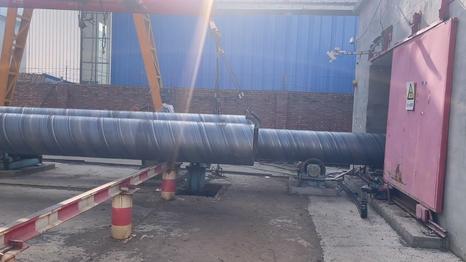
Steel pipes, renowned for their strength and durability, are a prevalent choice in various sectors. They are manufactured through different processes, each imparting unique properties to the final product. Seamless steel pipes, for instance, are created by piercing a solid billet of steel and then rolling it into a pipe shape. This process eliminates the need for welding, resulting in a pipe with uniform strength throughout its length. Seamless pipes are often preferred in high-pressure applications, such as oil and gas pipelines, where any weakness could lead to catastrophic failures.
Welded steel pipes, on the other hand, are formed by welding together strips or plates of steel. This method allows for the production of pipes in larger diameters and lengths, making them suitable for applications where cost-effectiveness and availability are crucial. Welded pipes are commonly used in water supply systems, construction projects, and automotive industries.[Link to Steel Pipes: The Backbone of Modern Infrastructure]
(2)Black Iron Pipes: The Classic Choice for Plumbing
Black iron pipes, a subset of steel pipes, are distinguished by their dark, almost black appearance. This coloration is a result of a protective coating applied to the pipe's surface, which helps prevent corrosion. Black iron pipes are primarily used in plumbing systems, both residential and commercial, for transporting water and gas. Their popularity stems from their cost-effectiveness, ease of installation, and ability to withstand the pressures and temperatures encountered in typical plumbing applications.
One of the key advantages of black iron pipes is their compatibility with threaded fittings. This allows for quick and secure connections without the need for specialized tools or techniques. Additionally, black iron pipes are readily available in standard sizes, making it easy to find the right pipe for any project. However, it's important to note that black iron pipes are not suitable for all environments. In areas with high humidity or exposure to corrosive substances, alternative materials may be more appropriate.[Link to The Evolution of Black Iron Pipes: From Traditional to Modern Applications]
(3)Aluminum Pipes: Lightweight and Corrosion-Resistant
Aluminum pipes offer a unique combination of properties that make them ideal for certain applications. Their lightweight nature, compared to steel and iron, makes them easier to handle and install, reducing labor costs and time. Additionally, aluminum is highly resistant to corrosion, even in harsh environments, making it a popular choice for outdoor applications and systems exposed to moisture.
Aluminum pipes are commonly used in HVAC (Heating, Ventilation, and Air Conditioning) systems, where their corrosion resistance ensures long-term performance without the need for frequent maintenance. They are also used in automotive industries for exhaust systems, where their lightweight nature contributes to improved fuel efficiency. However, aluminum pipes may not be suitable for high-pressure applications, as their strength is generally lower than that of steel pipes.[Link to The Role of Metal Pipes in Sustainable Construction]
1.2 Factors Influencing the Choice of Metal Pipes
(1)Cost Considerations
The cost of metal pipes varies significantly depending on the material, manufacturing process, and size. Steel pipes, particularly seamless ones, tend to be more expensive than black iron or aluminum pipes due to their superior strength and durability. However, in applications where high pressure or extreme conditions are involved, the initial investment in steel pipes may be justified by their longer lifespan and reduced maintenance needs.[Link to Choosing the Right Metal Pipe: A Guide for Distributors and Manufacturers]
Black iron pipes, being a cost-effective option, are often chosen for residential plumbing systems where budget constraints are a primary concern. Aluminum pipes, while more expensive than black iron, offer a good balance between cost and performance in applications where corrosion resistance is crucial.
(2)Environmental Conditions
The environment in which the metal pipes will be installed plays a crucial role in determining the appropriate material. In areas with high humidity or exposure to corrosive substances, such as coastal regions or industrial facilities, corrosion-resistant materials like aluminum or stainless steel may be preferred. In contrast, in dry, indoor environments, black iron pipes may be sufficient and more economical.
(3)Specific Project Requirements
The specific requirements of a project, such as pressure ratings, temperature ranges, and flow rates, also influence the choice of metal pipes. For high-pressure applications, seamless steel pipes are often the best choice due to their uniform strength and ability to withstand extreme pressures. In applications where temperature fluctuations are significant, materials with good thermal conductivity and expansion properties, such as aluminum, may be more suitable.
In conclusion, understanding the basics and beyond of metal pipes is essential for making informed decisions in various applications. By considering factors such as material composition, cost, environmental conditions, and specific project requirements, you can select the most appropriate metal pipes to ensure optimal performance and longevity. Whether it's steel pipes for high-pressure pipelines, black iron pipes for residential plumbing, or aluminum pipes for corrosion-resistant applications, each type of metal pipe offers unique advantages that can be leveraged to meet the demands of your project.
2. Types of Metal Pipes: A Detailed Overview
Metal pipes are indispensable components across a multitude of industries, playing pivotal roles in the transportation of fluids, gases, and even solids. Their versatility stems from a combination of factors, including material composition, manufacturing processes, and protective coatings, which collectively determine their suitability for specific applications. This detailed overview delves into the various types of metal pipes, highlighting their unique characteristics, advantages, and typical use cases.
2.1 Black Iron Pipes: Durability and Corrosion Resistance Personified
Black iron pipes, often recognized by their distinctive dark hue, are renowned for their exceptional durability and resistance to corrosion. This robustness makes them a preferred choice in environments where longevity and reliability are paramount. The dark color of these pipes is not merely aesthetic; it is the result of a protective coating applied during the manufacturing process. This coating, typically a form of iron oxide, acts as a barrier against environmental factors that could otherwise lead to rust and degradation.
One of the primary applications of black iron pipes is in fire sprinkler systems. Their ability to withstand high pressure and resist corrosion ensures that these systems remain operational even under the most challenging conditions, providing crucial protection in the event of a fire. Additionally, black iron pipes are widely used in gas lines, where their strength and resistance to leakage are essential for safety. The dark coating also aids in identifying these pipes within a complex network of plumbing and gas lines, facilitating easier maintenance and inspection.
2.2 Steel Pipes: Versatility Tailored to Specific Needs
Steel pipes, available in an array of grades and finishes, offer unparalleled versatility. Their adaptability stems from the ability to customize them according to specific requirements, whether it's the diameter, length, or wall thickness. From 1-inch to 2-inch diameters and lengths extending up to 20 feet, steel pipes cater to a diverse range of applications, from residential plumbing to industrial piping systems.
The versatility of steel pipes is further enhanced by the various finishes available. Galvanized steel pipes, for instance, are coated with a layer of zinc, providing an additional layer of protection against corrosion. This makes them suitable for outdoor applications or environments where exposure to moisture is a concern. On the other hand, stainless steel pipes, known for their high resistance to corrosion and staining, are ideal for applications requiring a high level of hygiene, such as in the food and beverage industry or medical facilities.
Steel pipes also come in different grades, each offering varying levels of strength and durability. High-grade steel pipes, for example, are capable of withstanding extreme pressures and temperatures, making them suitable for use in oil and gas pipelines or power plants. Lower-grade steel pipes, while less robust, are more cost-effective and are often used in less demanding applications, such as residential water supply lines.
2.3 Specialized Pipes: Innovations Meeting Specific Challenges
The continuous evolution of technology and manufacturing processes has led to the development of specialized metal pipes designed to meet specific challenges. These pipes incorporate advanced materials and coatings, as well as innovative manufacturing techniques, to deliver superior performance in demanding environments.
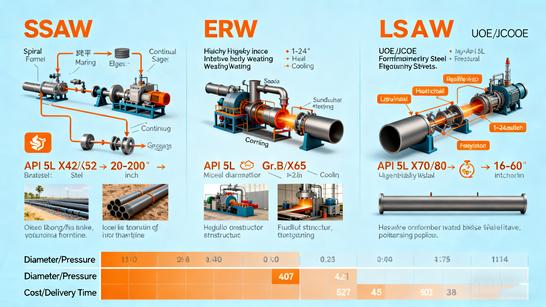
One such example is the 3PE coated LSAW (Longitudinal Submerged Arc Welded) steel pipe. These pipes feature a three-layer polyethylene coating that provides exceptional protection against corrosion, making them ideal for use in harsh environments such as offshore oil and gas platforms or chemical processing plants. The LSAW process ensures a strong, seamless joint, enhancing the pipe's structural integrity and reliability.
Another specialized pipe is the fire sprinkler galvanized steel pipe with UL/FM certification. These pipes are designed specifically for fire protection systems, where pressure resistance and corrosion protection are critical. The galvanized coating prevents rust, while the UL/FM certification guarantees that the pipes meet stringent safety and performance standards, providing peace of mind in the event of a fire.
Automotive exhaust ERW (Electric Resistance Welded) steel pipes are tailored for high-temperature environments, such as those found in automotive exhaust systems. These pipes are capable of withstanding extreme temperatures without losing their structural integrity, ensuring efficient exhaust flow and reducing emissions. The ERW process creates a strong, seamless joint, minimizing the risk of leaks and ensuring reliable performance.
Lastly, scaffolding ERW steel pipes are designed for use in construction scaffolding, where high strength and uniform wall thickness are essential for safety and stability. These pipes are capable of supporting heavy loads and withstanding the rigors of construction sites, providing a secure platform for workers and equipment.
In conclusion, metal pipes come in a variety of types, each with its unique characteristics, advantages, and applications. From the durable and corrosion-resistant black iron pipes to the versatile steel pipes and the specialized pipes designed for specific challenges, there is a metal pipe to suit every need. Understanding the differences between these types of pipes is crucial for selecting the right one for your project, ensuring optimal performance, longevity, and safety.
3. Selecting the Right Metal Pipe: Key Considerations
When embarking on a project that involves metal pipes, selecting the appropriate type is crucial for ensuring success, safety, and longevity. The choice of metal pipe is influenced by several key considerations, each playing a vital role in determining the most suitable option for your specific needs. Here, we delve into these considerations in detail to help you make an informed decision.
3.1 Size and Length
The diameter and length of the metal pipe are fundamental factors that must align with the project's requirements. The size of the pipe directly impacts its flow capacity, pressure handling capabilities, and overall efficiency. For instance, a 1-inch black iron pipe, 20 ft long, might be the ideal choice for a residential gas line. Its compact size allows for easy installation within the confines of a home, while its length provides sufficient reach to connect various gas appliances. On the other hand, a 2-inch black steel pipe, 20 ft in length, could be better suited for industrial applications where higher flow rates and pressure capacities are necessary. The larger diameter enables the transport of larger volumes of fluids or gases, making it indispensable in settings such as factories, power plants, or large-scale construction projects.
3.2 Material and Coating
The choice of material for the metal pipe is equally important, as it determines the pipe's strength, durability, and resistance to environmental factors. Steel and iron are two common materials used in pipe manufacturing, each offering distinct advantages. Steel pipes, known for their high strength and corrosion resistance, are widely used in industries such as oil and gas, automotive, and construction. Iron pipes, on the other hand, are more cost-effective and are often used in plumbing and gas lines where high pressure is not a primary concern.
In addition to the material, the coating applied to the pipe plays a crucial role in protecting it from corrosion and other environmental damages. Galvanized coatings, for example, provide excellent corrosion resistance by forming a protective layer of zinc on the surface of the pipe. This makes galvanized steel pipes ideal for outdoor applications or environments where moisture is prevalent. 3PE (three-layer polyethylene) coatings offer even superior protection, consisting of a primer layer, an adhesive layer, and a polyethylene outer layer. This multi-layer structure effectively prevents rust and corrosion, extending the pipe's lifespan significantly. Pipes with 3PE coatings are commonly used in oil and gas pipelines, water supply systems, and chemical processing plants.
3.3 Certification and Standards
Ensuring that the metal pipes meet relevant industry standards and certifications is paramount for guaranteeing safety and compliance. Different applications require pipes to adhere to specific standards and certifications, which serve as a testament to their quality and performance. For instance, fire sprinkler systems must use pipes with UL/FM certification, indicating that they have undergone rigorous testing and meet strict safety requirements. Using non-certified pipes in such critical applications could lead to catastrophic consequences, including system failure during a fire emergency.
Similarly, pipes used in oil and gas pipelines must comply with API (American Petroleum Institute) standards, which outline specifications for materials, manufacturing processes, and testing procedures. These standards ensure that the pipes can withstand the high pressures and corrosive environments encountered in oil and gas transportation. By selecting pipes that meet these certifications and standards, you can have peace of mind knowing that your project is built on a foundation of safety and reliability.
In conclusion, selecting the right metal pipe involves careful consideration of size and length, material and coating, as well as certification and standards. By taking these factors into account, you can ensure that the pipes you choose are perfectly suited for your project's needs, providing optimal performance, durability, and safety.
4. Innovations in Metal Pipe Manufacturing and Distribution
In the dynamic landscape of industrial materials, metal pipes play a pivotal role across a multitude of sectors, ranging from construction and infrastructure to automotive and energy. Recent years have witnessed a significant transformation in both the manufacturing and distribution of metal pipes, driven by technological advancements and a growing emphasis on efficiency, sustainability, and customer satisfaction.
4.1 Advancements in Manufacturing Technologies
The manufacturing of metal pipes has undergone a revolution, with cutting-edge technologies enhancing the properties and performance of these essential components. One notable advancement is the development of pipes with improved corrosion resistance. Through innovative coating techniques, such as 3PE (three-layer polyethylene) and galvanization, metal pipes can now withstand harsh environmental conditions, extending their lifespan and reducing maintenance costs. These coatings not only protect against rust and chemical corrosion but also enhance the pipes' aesthetic appeal, making them suitable for visible applications in architectural and decorative settings.
Another significant innovation is the achievement of higher strength-to-weight ratios in metal pipes. By utilizing advanced alloys and precision engineering, manufacturers can produce pipes that are lighter yet stronger than their traditional counterparts. This is particularly beneficial in industries where weight reduction is critical, such as automotive and aerospace, as it leads to improved fuel efficiency and overall performance. Additionally, the use of high-strength materials allows for the design of thinner-walled pipes without compromising structural integrity, resulting in material savings and cost reductions.
Precision dimensions are another area where manufacturing technologies have made substantial strides. With the advent of computer-aided design (CAD) and computer numerical control (CNC) machining, metal pipes can now be produced with exacting tolerances, ensuring a perfect fit and seamless integration into complex systems. This level of precision is essential in industries such as semiconductor manufacturing and medical devices, where even minor deviations can have significant consequences.
4.2 Digital Transformation in Distribution
The distribution of metal pipes has also been revolutionized by digital technologies, with distributors leveraging online platforms to streamline supply chains and enhance customer experience. One of the most notable trends is the adoption of real-time inventory tracking systems, which allow customers to monitor stock levels and place orders with confidence. These systems provide up-to-date information on product availability, ensuring that customers can quickly secure the pipes they need without the risk of stockouts or delays.
Furthermore, digital platforms have facilitated faster delivery times by optimizing logistics and reducing manual processes. By integrating with transportation management systems, distributors can automate shipping schedules, track shipments in real-time, and provide customers with accurate delivery estimates. This not only improves customer satisfaction but also reduces operational costs and enhances overall efficiency.
In addition to these operational improvements, digital platforms have also opened up new avenues for customer engagement and support. Distributors can now offer online catalogs, technical specifications, and installation guides, empowering customers to make informed decisions and troubleshoot issues independently. Moreover, the use of chatbots and AI-powered customer service tools has enabled distributors to provide 24/7 assistance, resolving queries and resolving issues promptly.
In conclusion, innovations in metal pipe manufacturing and distribution are driving significant improvements in product quality, efficiency, and customer satisfaction. As technologies continue to evolve, we can expect to see even more exciting developments in this field, further solidifying the importance of metal pipes in our modern world.
5. Future Trends in Metal Pipes
The metal pipe industry stands at the cusp of a transformative era, with a trajectory shaped by a confluence of factors including escalating demand across key sectors, a growing emphasis on sustainability, and the advent of cutting-edge technologies. As we peer into the future, several trends emerge that promise to redefine the landscape of metal pipe manufacturing and application.
One of the most significant drivers of growth in the metal pipe industry is the increasing demand from the construction, automotive, and energy sectors. In the construction realm, urbanization and infrastructure development projects are on the rise globally, necessitating a steady supply of high-quality metal pipes for plumbing, heating, ventilation, and air conditioning (HVAC) systems. These pipes not only form the backbone of modern buildings but also play a pivotal role in ensuring their efficiency and longevity.
The automotive industry, too, is a major consumer of metal pipes, particularly in the exhaust and fuel systems. With the global automotive market expected to continue its expansion, driven by rising disposable incomes and changing consumer preferences, the demand for metal pipes that can withstand high temperatures, pressure, and corrosive environments is set to soar. Moreover, the shift towards electric vehicles (EVs) is also influencing pipe design, with a focus on lightweight materials that can enhance vehicle performance and range.
In the energy sector, metal pipes are indispensable for the transportation of oil, gas, and other fluids over long distances. As the world transitions towards cleaner energy sources, the demand for pipes that can handle alternative fuels such as hydrogen and biofuels is expected to increase. Additionally, the expansion of renewable energy projects, such as wind and solar farms, will require metal pipes for various applications, including water supply and drainage systems.
Sustainability is another key trend shaping the future of the metal pipe industry. With environmental regulations becoming increasingly stringent, manufacturers are under pressure to adopt sustainable manufacturing practices. This includes recycling scrap metal to reduce the demand for virgin materials, implementing energy-efficient production processes, and minimizing waste generation. By embracing sustainability, manufacturers can not only reduce their environmental footprint but also enhance their brand reputation and appeal to eco-conscious consumers.
The development of smart pipes is perhaps the most revolutionary trend in the metal pipe industry. Equipped with sensors and advanced monitoring technologies, smart pipes can provide real-time data on flow, pressure, and temperature, enabling proactive maintenance and reducing the risk of failures. This technology has the potential to transform the way pipes are managed and maintained, leading to increased efficiency, reduced downtime, and lower operational costs. Moreover, smart pipes can also contribute to the development of smart cities by integrating with broader urban infrastructure networks and enabling more efficient resource management.
In conclusion, the future of the metal pipe industry is bright, with growth driven by increasing demand across key sectors, a growing emphasis on sustainability, and the advent of smart technologies. As manufacturers navigate this evolving landscape, they must stay abreast of these trends and adapt their strategies accordingly to remain competitive and capitalize on emerging opportunities. By embracing innovation and sustainability, the metal pipe industry can continue to thrive and contribute to the development of a more efficient, resilient, and sustainable future.
Conclusion
Selecting the right metal pipe involves considering various factors, from size and material to certifications and innovations. By staying informed about the latest trends and advancements, distributors and manufacturers can offer products that meet the evolving needs of their customers. Whether you're looking for a standard 1-inch steel pipe or a specialized solution like our 3PE Coated LSAW Steel Pipe – Corrosion-Resistant Pipeline Applications, understanding the nuances of metal pipes will guide you towards the best choice.