
1. Precision Start: Steel Pile End Preparation
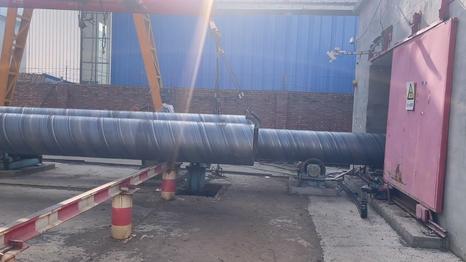
Before the first strike, the success of your project depends on Steel Pile End Preparation. As a factory, we provide ASTM A252 Grade 3 SSAW Piling Pipes with pre-beveled ends to facilitate immediate on-site assembly. Proper end preparation ensures that when the pipe meets the driving shoe or the next section, the alignment is perfect, reducing the risk of energy loss during the drive.
2. Mastering the Drive: Hydraulic Hammer Piling
The Hydraulic Hammer Piling process subjects the pipe to immense dynamic stress. Thanks to the high yield strength of Grade 3 material, our pipes offer exceptional Driveability of Steel Piles. The spiral weld structure of the SSAW pipe helps dissipate the hammer's impact energy evenly, preventing the pipe head from buckling and ensuring it reaches the load-bearing strata efficiently.
Table 1: Recommended Driving Energy for Grade 3 Pipes
| Pipe OD (mm) | Wall Thickness (mm) | Recommended Hammer Energy (kJ) | Blow Count Range (per 30cm) |
| 610 | 12.7 | 50 - 80 | 30 - 50 |
| 812 | 16.0 | 80 - 120 | 35 - 55 |
| 1016 | 19.0 | 120 - 180 |
40 - 60 |
3. Efficient On-Site Assembly: ASTM A252 Grade 3 Splicing
In deep foundation tasks, ASTM A252 Grade 3 Splicing is often required to reach bedrock. Our pipes are manufactured with strict diameter tolerances to ensure that field-welded joints are seamless. By following standardized Piling Pipe Field Welding techniques, contractors can create a continuous steel column that maintains 100% structural integrity from top to bottom.
4. Robust Joints: SSAW Pipe Welding Procedures
The quality of the splice is vital. Adhering to professional SSAW Pipe Welding Procedures ensures that the weld metal matches the strength of the Grade 3 base material. We recommend low-hydrogen electrodes and multi-pass welding to prevent cracking. This meticulous attention to detail during installation prevents weak points that could lead to settlement issues years later.
Table 2: Splicing & Welding Technical Parameters
| Welding Method | Electrode Type | Pre-heat Temp (°C) | Inspection Method |
| Manual Arc (SMAW) | E7018 / E8018 | 100 - 150 | Visual + Ultrasonic (UT) |
| Flux-Cored (FCAW) | E71T-1 | 100 - 120 | Magnetic Particle (MT) |
5. Preservation During Installation: Anti-Corrosion Coating Protection
Maintaining the Anti-Corrosion Coating Protection during installation is a common challenge. Whether using FBE or 3PE, we provide specialized handling instructions to minimize scratches during the pile-driving process. Protecting the coating ensures that the high-strength steel remains isolated from underground moisture, extending the service life of the entire foundation.
6. Verification of Success: Foundation Piling Inspection
The final stage of installation is the Foundation Piling Inspection. This includes High Strain Dynamic Testing (PDA) to verify the actual load-bearing capacity. Our Grade 3 pipes consistently pass these tests with flying colors, proving that our manufacturing precision and your installation expertise combined to create a world-class foundation.
Efficiency in the field is money in the bank. A smooth installation doesn't just reduce headaches; it slashes labor costs and equipment rental time. By investing in precision-engineered ASTM A252 Grade 3 pipes, you are minimizing the hidden expenses of field failures and splicing delays. When you look at the total project lifecycle, the value becomes clear. [Request a competitive quote and see how our pricing fits your budget.]